-

-
UAE
-

KSA
-

QA
-

OMN
-

BHR
-

KWT
-

EGY
-

LBN
-

JOR
-


Raising Curious Minds: Community Programs That Help Kids Thrive
Posted By: Ankaj Kumar
- 11 Mar, 2026
- 11:00:00 to 02:00:00
- Sharjah
- 0 people attending

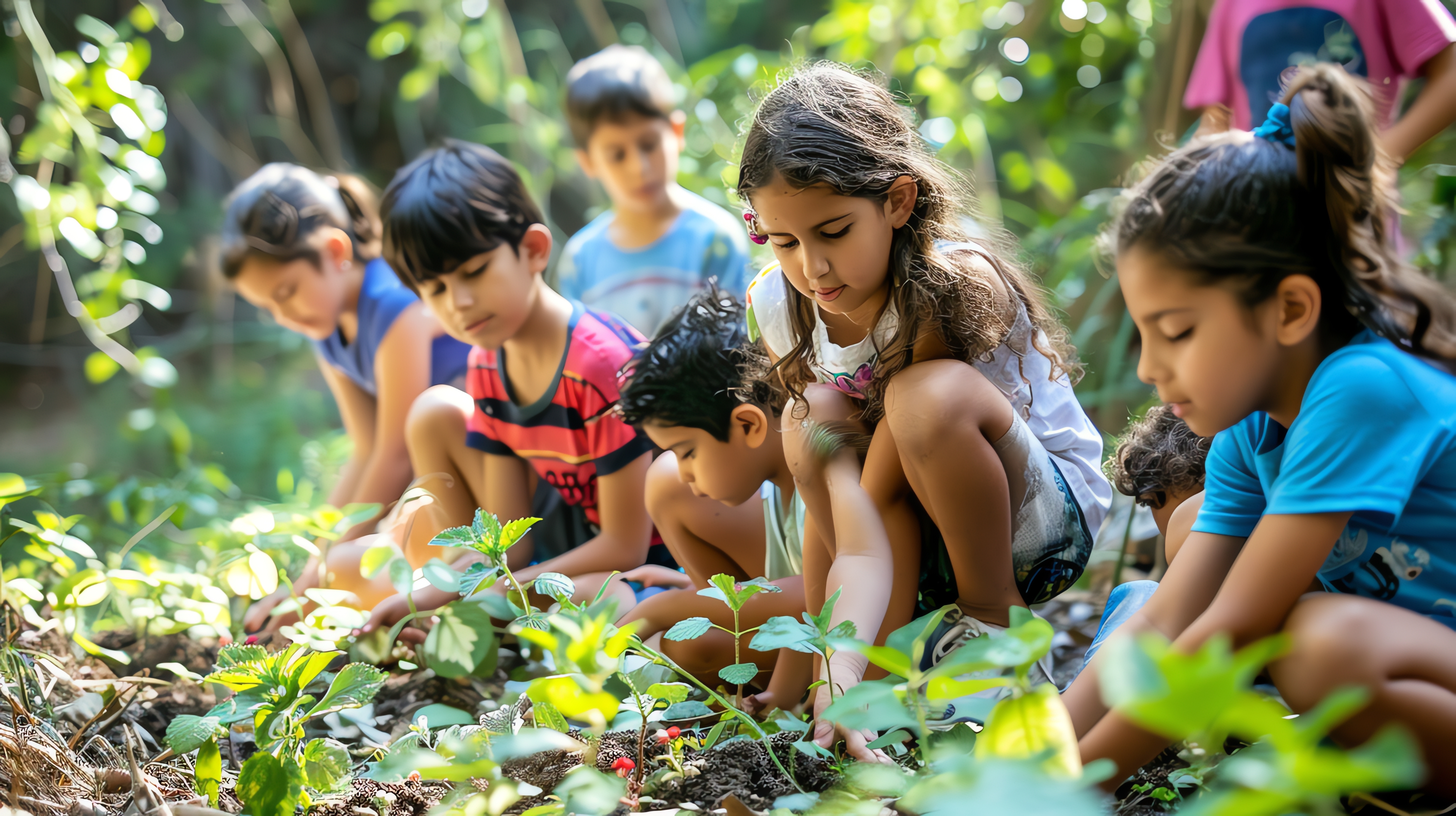
Children are born curious. They ask endless questions, explore their surroundings with wonder, and learn through play, observation, and imagination. Curiosity is the foundation of learning—it fuels creativity, critical thinking, and a lifelong love of discovery. Yet in today’s fast-paced, screen-heavy world, nurturing that curiosity requires intentional effort from families, schools, and communities alike.
This is where community programs play a powerful role. Beyond classrooms and textbooks, community-based initiatives provide children with opportunities to explore interests, build confidence, and develop essential life skills. From libraries and after-school clubs to sports leagues and STEM workshops, these programs help kids thrive academically, socially, and emotionally.
This blog explores how community programs raise curious minds, why they matter, and the many ways they support children in becoming engaged, capable, and confident individuals.
1. Why Curiosity Matters in Childhood
Curiosity is more than just asking “why?” It is the engine behind learning and growth. Curious children are more likely to:
- Engage deeply with new information
- Develop problem-solving skills
- Show resilience when facing challenges
- Think creatively and independently
Research consistently shows that curiosity is linked to better academic outcomes and stronger motivation. When children are encouraged to explore their interests freely—without fear of failure—they learn how to learn. This skill is invaluable, not only in school but throughout life.
Community programs help preserve and expand this natural curiosity by offering environments where learning feels exciting rather than obligatory.
2. The Role of Community in Child Development
While families and schools are central to a child’s development, communities provide a critical third pillar of support. Community programs expose children to new ideas, mentors, and experiences they may not encounter elsewhere.
Strong community involvement:
- Broadens children’s worldviews
- Reinforces positive values
- Creates a sense of belonging
- Offers support beyond the home
For many families, community programs also help bridge gaps in access to enrichment opportunities, ensuring that children from diverse backgrounds can explore their potential.
3. Libraries: Gateways to Imagination and Learning
Libraries are often the heart of community learning. Far more than quiet places filled with books, modern libraries are vibrant hubs of exploration.
How libraries nurture curiosity:
- Storytime sessions that build early literacy
- Summer reading programs that encourage consistent reading
- STEM clubs, coding workshops, and maker spaces
- Access to diverse books representing different cultures and perspectives
Libraries allow children to choose what interests them—whether it’s dinosaurs, space, magic, or history—empowering them to follow their curiosity at their own pace.
4. After-School Programs: Learning Beyond the Bell
After-school programs provide structured, supportive environments where children can learn and grow once the school day ends. These programs are especially valuable for working families and for children who benefit from additional academic or social support.
Benefits of after-school programs include:
- Homework help and academic enrichment
- Opportunities to explore arts, science, and technology
- Development of teamwork and leadership skills
- Safe, supervised spaces during critical afternoon hours
When designed thoughtfully, after-school programs strike a balance between learning and fun—keeping curiosity alive while reinforcing important skills.
5. STEM and Innovation Programs: Inspiring Future Thinkers
Science, Technology, Engineering, and Mathematics (STEM) programs are among the most impactful community initiatives for nurturing curiosity. These programs encourage kids to ask questions, test ideas, and learn through hands-on experimentation.
Examples of STEM-focused community programs:
- Robotics clubs
- Coding and game design workshops
- Science fairs and invention challenges
- Environmental and sustainability projects
By emphasizing exploration over memorization, STEM programs help children see mistakes as part of the learning process. This mindset builds confidence and resilience—skills essential for future success.
6. Arts and Creative Programs: Fueling Expression and Imagination
Creativity is a vital form of curiosity. Arts-based community programs give children space to express themselves, explore emotions, and experiment with new forms of communication.
Creative programs may include:
- Music lessons and choirs
- Theater and drama groups
- Visual arts and crafts workshops
- Dance and movement classes
Participation in the arts has been linked to improved academic performance, emotional intelligence, and self-esteem. Creative programs help children discover their unique voices while learning to appreciate diverse perspectives.
7. Sports and Physical Activity Programs: Learning Through Movement
Physical activity is essential not only for health, but also for cognitive and emotional development. Community sports programs teach children valuable life lessons that extend far beyond the field.
Key benefits of sports programs include:
- Teamwork and cooperation
- Discipline and goal-setting
- Emotional regulation and resilience
- Confidence through skill development
Sports also provide opportunities for children who may not excel academically to shine in other areas, reinforcing the idea that every child has strengths worth celebrating.
8. Mentorship and Youth Leadership Programs
Mentorship programs connect children with caring adults or older peers who guide, support, and inspire them. These relationships can be especially transformative for children who lack role models in certain areas of their lives.
What mentorship programs offer:
Personalized encouragement and guidance
Exposure to new career paths and interests
Support in setting goals and making decisions
A trusted relationship that builds self-worth
Youth leadership programs further empower children by giving them a voice in their communities, teaching them that their ideas and actions matter.
9. Social and Emotional Learning Through Community Programs
Thriving isn’t just about academic success—it’s also about emotional well-being. Many community programs intentionally focus on social and emotional learning (SEL).
Children learn to:
- Communicate effectively
- Manage emotions
- Resolve conflicts
- Practice empathy and respect
Programs that foster emotional intelligence help children build healthier relationships and navigate challenges with confidence.
10. Inclusion and Equity: Ensuring Every Child Thrives
One of the most important roles of community programs is promoting inclusion. High-quality programs strive to be accessible to children of all abilities, backgrounds, and socioeconomic statuses.
Inclusive programs:
- Offer sliding-scale or free participation
- Accommodate children with disabilities
- Celebrate cultural diversity
- Create welcoming environments for all families
When children see themselves represented and supported, their curiosity and confidence flourish.
11. The Role of Parents and Caregivers
While community programs provide opportunities, parental involvement strengthens their impact. Parents and caregivers can support curious minds by:
- Encouraging participation without pressure
- Showing interest in what children are learning
- Valuing effort over outcomes
- Advocating for quality programs in their communities
When adults model curiosity and enthusiasm for learning, children are more likely to adopt the same mindset.
12. Long-Term Impact: From Curious Kids to Capable Adults
The benefits of community programs extend far into adulthood. Children who grow up engaged in enriching activities are more likely to:
- Develop strong problem-solving skills
- Pursue lifelong learning
- Build meaningful relationships
- Contribute positively to their communities
Curiosity nurtured in childhood becomes innovation, empathy, and leadership in adulthood.
Conclusion: Growing Brighter Futures Together
Raising curious minds is not the responsibility of any one institution—it is a collective effort. Community programs play a vital role in giving children the tools, experiences, and confidence they need to thrive. They transform neighborhoods into learning ecosystems where curiosity is celebrated and potential is nurtured.
When communities invest in children, they invest in the future. By supporting libraries, after-school initiatives, arts programs, sports leagues, and mentorship opportunities, we create spaces where kids feel inspired to ask questions, explore possibilities, and believe in themselves.
Curious minds grow into thoughtful, capable adults. And with strong community programs guiding the way, every child has the chance to thrive.